
In today’s world, the demand for green homes and sustainable construction is rapidly increasing. Once considered a niche, the idea of building eco-friendly homes has now entered the mainstream as more people realize the long-term benefits it brings. Green homes are not only about saving the planet, they also offer tangible advantages such as lower utility costs, healthier living conditions, and long-term durability. As we face rising energy costs and heightened environmental concerns, the shift toward sustainable housing has become more than just a trend. It is a smart choice for homeowners who are looking to future-proof their investments and live in a more environmentally responsible way.
This comprehensive guide will explore why sustainable homes are becoming the first choice for many, highlighting the real benefits of choosing an eco-friendly approach to construction and living.
What is a Green Home?
Before diving into the benefits, let’s define what makes a home “green” or “sustainable.” A green home is built with a focus on reducing its environmental impact, increasing energy efficiency, and using eco-friendly materials.
Here are the key features that make a home green:
- Energy Efficiency: Green homes are equipped with high-quality insulation, energy-efficient windows, and energy-efficient heating and cooling systems. This minimizes energy consumption and reduces utility bills.
- Sustainable Materials: These homes utilize recycled, renewable, or locally sourced materials, such as bamboo flooring, recycled steel, and reclaimed wood, to reduce waste and environmental damage.
- Water Conservation: Green homes often feature low-flow plumbing fixtures, rainwater harvesting systems, and drought-resistant landscaping to conserve water.
- Indoor Air Quality: By using non-toxic paints, low-VOC materials, and proper ventilation systems, green homes ensure a healthier indoor environment for their residents.
- Durability and Long-Term Value: Built with high-quality, sustainable materials, green homes are designed to last longer and require less maintenance over time.
These features not only benefit the environment but also improve the quality of life for the people who live in these homes.
Why Are Green Homes Becoming the First Choice?
1. Environmental Benefits: A Positive Impact on the Planet
The most obvious reason for building a custom green home is the positive impact it has on the environment. With the growing concerns over climate change, deforestation, and resource depletion, green homes play a crucial role in reducing the carbon footprint.
- Reduced Carbon Footprint: By using renewable energy sources, reducing energy consumption, and minimizing waste, green homes help lower greenhouse gas emissions.
- Resource Conservation: Custom green homes conserve valuable natural resources through the use of recycled materials, efficient construction methods, and water-saving techniques.
- Waste Reduction: Building a sustainable home involves using materials that minimize waste production during construction, which reduces the strain on landfills.
In the face of environmental challenges, choosing a green home is an effective way to contribute positively to the planet’s future.
2. Cost Savings in the Long Run
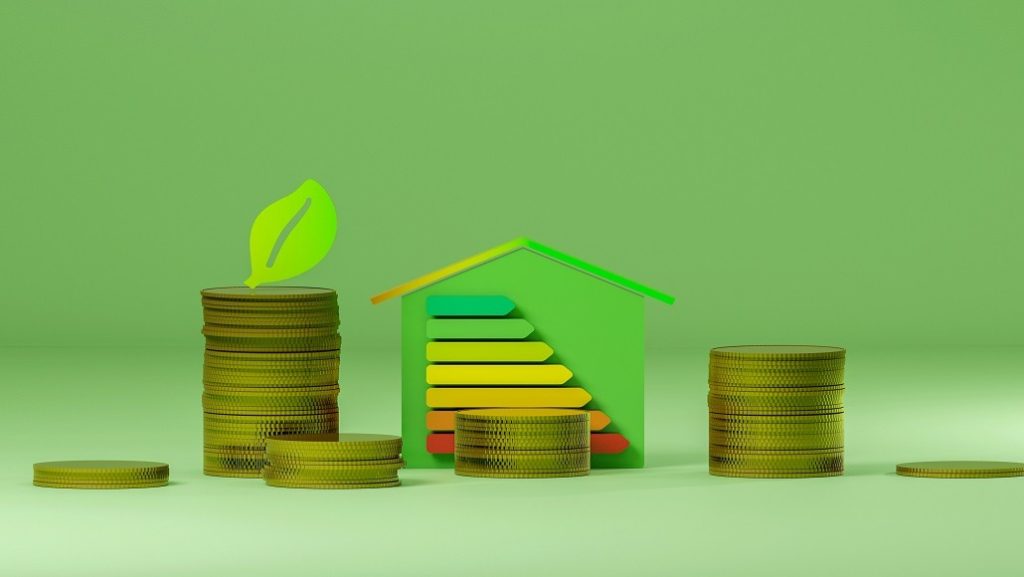
While the initial cost of building a green home may be slightly higher than traditional construction, the long-term savings are undeniable. Here’s how:
- Lower Utility Bills: Energy-efficient homes are designed to minimize heating, cooling, and lighting costs, which means you’ll save on monthly utility bills.
- Tax Incentives and Rebates: Many governments offer tax incentives, rebates, and grants for those who build sustainable homes, helping to offset the initial construction costs.
- Long-Term Durability: Green homes use high-quality materials that reduce the need for frequent repairs or replacements. This translates to significant savings on maintenance costs over the years.
Overall, the investment in a sustainable home is returned many times over in the form of energy savings, reduced maintenance, and long-term durability.
3. Improved Health and Indoor Comfort
One of the lesser-discussed but equally important benefits of green homes is the improvement in health and indoor comfort. Traditional homes may contain harmful chemicals in paints, carpets, and finishes, which can negatively affect indoor air quality. Green homes, on the other hand, focus on using non-toxic and natural materials that improve air quality and contribute to a healthier living environment.
- Better Air Quality: Green homes utilize proper ventilation systems and low-VOC materials to ensure that the indoor air remains fresh and free from harmful chemicals.
- Healthier Living Environment: By using non-toxic paints, natural materials, and proper moisture control, green homes help reduce allergens and improve overall air quality.
- Thermal Comfort: Green homes are better insulated, ensuring consistent temperatures throughout the year, making them more comfortable to live in no matter the weather outside.
Incorporating these sustainable features not only promotes a healthier lifestyle but also makes the living space more comfortable.
4. Long-Term Value and Increased Resale Potential
Green homes are more than just eco-friendly, they are also future-proof investments. As the demand for energy-efficient and sustainable homes grows, the value of green homes is steadily increasing. Here’s why:
- Higher Market Demand: As more homebuyers seek environmentally responsible homes, the demand for green homes is growing. This means that owning a sustainable home can increase its resale value.
- Energy Efficiency Equals Lower Operating Costs: Homes that are built with energy efficiency in mind are generally cheaper to maintain and run, making them attractive to future buyers who are looking for long-term savings.
- Government Regulations: As cities and countries continue to implement stricter building codes and energy efficiency standards, homes built to green standards are ahead of the curve in meeting these requirements.
Building a green home today can be a smart financial decision, not only for the environment but for your wallet as well.
What to Consider When Building a Green Home
If you’re considering building or purchasing a green home, there are several factors to keep in mind to ensure that the home is as sustainable as possible:
- Building Materials: Opt for sustainable materials such as bamboo, recycled steel, and non-toxic paints. These materials reduce environmental impact and contribute to the home’s long-term durability.
- Energy-Efficient Systems: Choose energy-efficient HVAC systems, LED lighting, and high-quality insulation to minimize energy consumption.
- Water-Saving Features: Install low-flow faucets, efficient plumbing systems, and consider implementing a rainwater harvesting system.
- Landscaping: Opt for drought-resistant plants and incorporate native species that require less water and maintenance.
- Smart Technology: Consider integrating smart home systems that allow you to monitor and control your home’s energy use, ensuring that it remains as efficient as possible.
Building a green home involves planning ahead and making conscious decisions about every aspect of the design and construction process.
The rise in popularity of green homes is not just a passing trend, it’s a response to the growing need for more sustainable, energy-efficient, and environmentally responsible living. These homes provide not only long-term financial savings, health benefits, and environmental impact reduction, but also a future-proof investment that will remain valuable as the demand for sustainability continues to grow.
Whether you’re building a new home or considering retrofitting an existing one, embracing sustainable building practices is one of the smartest decisions you can make for both your finances and the planet. It’s clear that green homes are not just the future of construction, they are the way forward for anyone looking to live more responsibly and comfortably.
FAQ
Are green homes more expensive to build?
While the upfront costs may be slightly higher due to the use of sustainable materials and energy-efficient systems, the long-term savings on energy bills and maintenance often outweigh the initial investment.
How do green homes help reduce utility bills?
Green homes are designed with energy-efficient features such as superior insulation, efficient heating/cooling systems, and energy-efficient windows that reduce energy consumption, lowering your monthly utility bills.
Can I retrofit my current home to make it more sustainable?
Yes! Many existing homes can be retrofitted with energy-efficient windows, improved insulation, water-saving fixtures, and solar panels to make them more sustainable and energy-efficient.
What are the health benefits of living in a green home?
Green homes use low-VOC materials and proper ventilation, improving indoor air quality and reducing allergens. This contributes to a healthier living environment and better overall well-being.
Will a green home increase my property value?
Yes, green homes generally have higher resale value due to growing demand for energy-efficient, sustainable living spaces. Buyers are often willing to pay more for homes that offer long-term savings and environmental benefits.
While the upfront costs may be slightly higher due to the use of sustainable materials and energy-efficient systems, the long-term savings on energy bills and maintenance often outweigh the initial investment.
Green homes are designed with energy-efficient features such as superior insulation, efficient heating/cooling systems, and energy-efficient windows that reduce energy consumption, lowering your monthly utility bills.
Yes! Many existing homes can be retrofitted with energy-efficient windows, improved insulation, water-saving fixtures, and solar panels to make them more sustainable and energy-efficient.
Green homes use low-VOC materials and proper ventilation, improving indoor air quality and reducing allergens. This contributes to a healthier living environment and better overall well-being.
Yes, green homes generally have higher resale value due to growing demand for energy-efficient, sustainable living spaces. Buyers are often willing to pay more for homes that offer long-term savings and environmental benefits.


