
In this article, we explore the modern custom home design trends shaping Toronto in 2026, from sustainable materials and smart home technology to wellness-focused spaces and biophilic design. Whether you are a homeowner, architect, or custom home builder in the GTA, these trends offer valuable insight into how modern living continues to evolve.
Toronto continues to lead in architectural innovation, with custom homes in 2026 reflecting a stronger focus on functionality, personalization, and refined design. As lifestyles change, homeowners are looking for spaces that feel modern, efficient, and built around everyday comfort.
Table of Contents
Top Design Trends for Toronto’s Custom Homes in 2026
As Toronto continues to grow as a dynamic and diverse urban center, the city’s custom home design trends continue to evolve with it. In 2026, modern custom homes in Toronto are reflecting a stronger focus on innovation, sustainability, and personalized living. From smart technology and energy-efficient features to natural materials and lifestyle-driven layouts, today’s homes are being designed to meet the changing needs of modern homeowners. Here are some of the key trends shaping custom home design in Toronto this year.
| Design Trend | Description |
|---|---|
| Warm, Natural Materials | Toronto custom homes are embracing warm, natural finishes such as wood, stone, textured plaster, and organic fabrics that bring depth, comfort, and timeless character to modern interiors. |
| Smart Home Integration | Homeowners are prioritizing integrated smart systems for lighting, climate, security, audio, and shading, creating homes that are more efficient, convenient, and tailored to daily living. |
| Wellness-Focused Spaces | Dedicated wellness features such as home gyms, saunas, steam showers, meditation rooms, and improved indoor air quality are becoming a major focus in modern custom home design. |
| Biophilic Design | Biophilic design continues to grow in popularity, with larger windows, indoor greenery, natural light, and stronger visual connections to outdoor spaces helping create calmer and healthier interiors. |
| Flexible Open-Concept Layouts | Open-concept living remains popular, but it is now being refined with more intentional zoning so spaces feel open while still offering privacy, function, and better flow for everyday family life. |
| Quiet Luxury Interiors | Rather than overly bold statements, many homeowners are choosing a quiet luxury approach with refined finishes, soft palettes, clean detailing, and high-quality craftsmanship that feels elegant and lasting. |
| Indoor-Outdoor Connection | Seamless transitions between indoor and outdoor living areas remain important, with covered terraces, large sliding doors, outdoor kitchens, and comfortable entertaining spaces designed for extended seasonal use. |
| Personalized Functional Design | Custom homes are increasingly shaped around the homeowner’s lifestyle, with tailored storage, custom millwork, multi-use rooms, and thoughtful design choices that support both aesthetics and day-to-day practicality. |
| Spa-Inspired Bathrooms | Bathrooms are being designed as private retreats, featuring larger walk-in showers, freestanding tubs, natural finishes, ambient lighting, and comfort-focused details that create a relaxing spa-like atmosphere. |
Sustainable and Green Building Practices
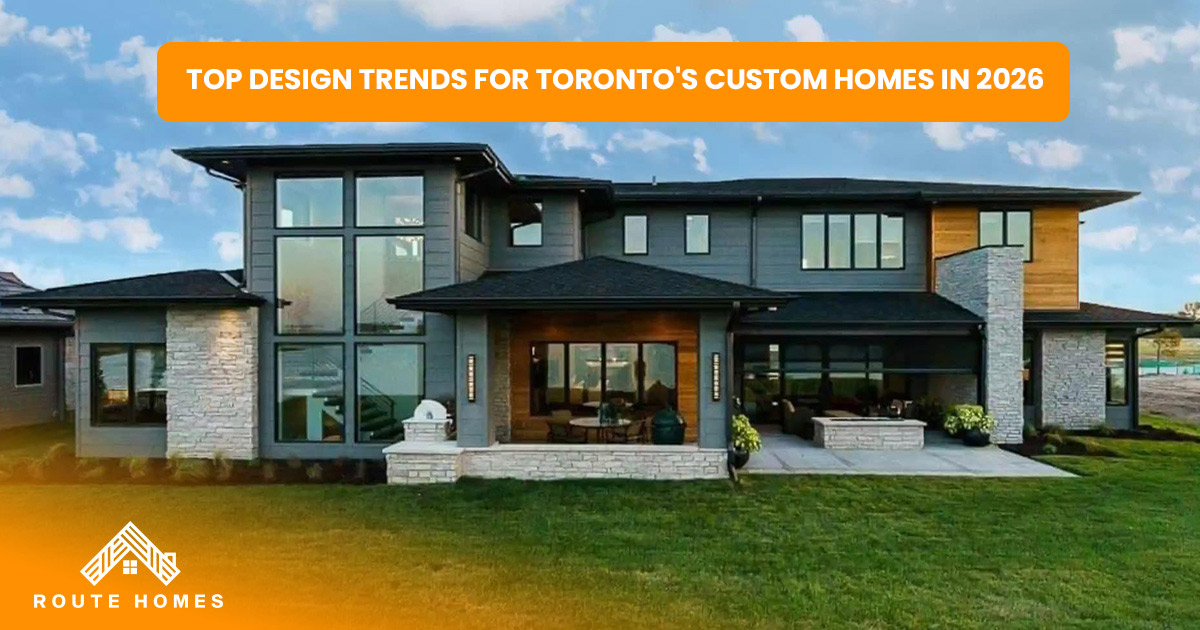
At the same time, energy efficiency has become a key priority in custom home construction. High-performance insulation, triple-glazed windows, solar-ready systems, and efficient mechanical design are helping homeowners reduce long-term energy use without compromising comfort. More projects are also incorporating features such as geothermal systems, improved airtightness, and better overall building performance, reflecting a growing focus on smarter, greener living.
Sustainable and Green Building Practices
Technology continues to shape the way modern custom homes are designed and experienced. Smart home features have become an essential part of everyday living, with homeowners looking for systems that improve comfort, convenience, efficiency, and security. Integrated controls for lighting, temperature, window coverings, security, audio, and entertainment are now being built into the home from the start, creating a more seamless and connected living experience.
There is also a growing focus on smarter energy use. Many homeowners are choosing systems that help monitor and manage electricity consumption more efficiently, making it easier to reduce waste and support long-term cost savings. When thoughtfully integrated, these technologies not only enhance day-to-day living but also contribute to a more functional, responsive, and future-ready home.

Open-Concept Living Spaces
Open-concept living continues to be a defining feature of modern custom homes in Toronto, but the approach has become more refined. Homeowners still want bright, spacious interiors that connect the kitchen, dining, and living areas, while also allowing each space to feel purposeful and well organized. The result is a layout that supports both everyday family life and effortless entertaining.
Large windows remain an essential part of this design direction, bringing in natural light and creating a stronger visual connection to the outdoors. By opening up the interior and maximizing daylight, these homes feel more inviting, functional, and closely connected to their surroundings.
Biophilic Design: Bringing Nature Indoors
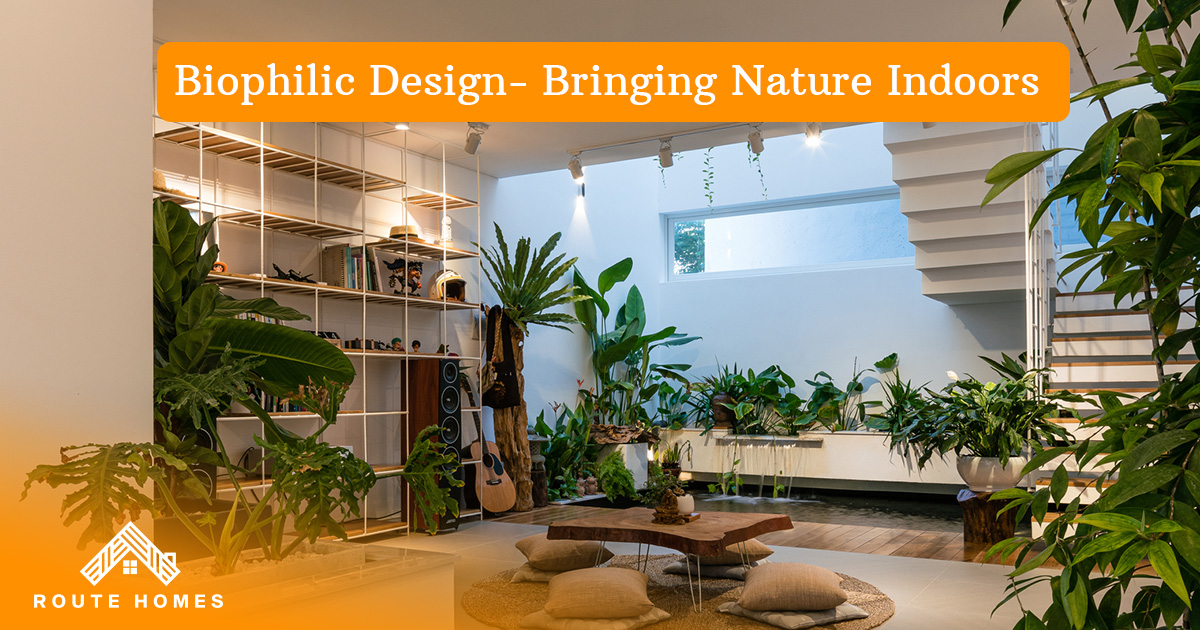
Biophilic design continues to influence modern custom homes in Toronto by bringing natural elements into everyday living spaces. Features such as natural wood, stone, indoor greenery, and expansive windows help create interiors that feel calm, warm, and connected to the outdoors. This approach adds visual softness while making the home feel more balanced and inviting.
Beyond aesthetics, biophilic design supports comfort and well-being. Increased natural light, stronger indoor-outdoor connections, and thoughtful use of organic materials all contribute to a healthier and more relaxing home environment. As homeowners place greater value on wellness and livability, nature-inspired design remains an important part of modern home planning.
Minimalist and Clean Aesthetic
Minimalism continues to shape modern custom home design in Toronto, but the style has become warmer and more livable. Clean lines, uncluttered spaces, and soft neutral palettes still define the overall look, while natural textures and layered finishes help create a more welcoming atmosphere. The result is a home that feels calm, elegant, and intentionally designed without appearing overly stark.
This more refined approach to minimalism focuses on balance rather than emptiness. Soft lighting, warm wood tones, subtle contrasts, and carefully selected details bring comfort and character to the space while maintaining a clean and timeless aesthetic.
Storage solutions play a crucial role in minimalist design. Custom built-ins, hidden storage spaces, and multi-functional furniture ensure that homes remain clutter-free while maximizing usable space. This approach aligns with the growing demand for efficient, functional living spaces that cater to the busy lifestyles of Toronto residents.
Personalized and Custom Interior Design
Personalization continues to play a major role in modern custom home design, with homeowners looking for spaces that feel tailored to their lifestyle, taste, and everyday routines. Rather than following generic design formulas, custom homes are being shaped through thoughtful details such as built-in cabinetry, custom millwork, unique lighting, and carefully selected finishes that bring individuality into every room.
This approach allows each home to feel more authentic and functional. From statement staircases and feature walls to bespoke kitchens and curated material palettes, personalized design helps create spaces that are both visually distinctive and deeply connected to the people who live in them.
Indoor-Outdoor Living Integration
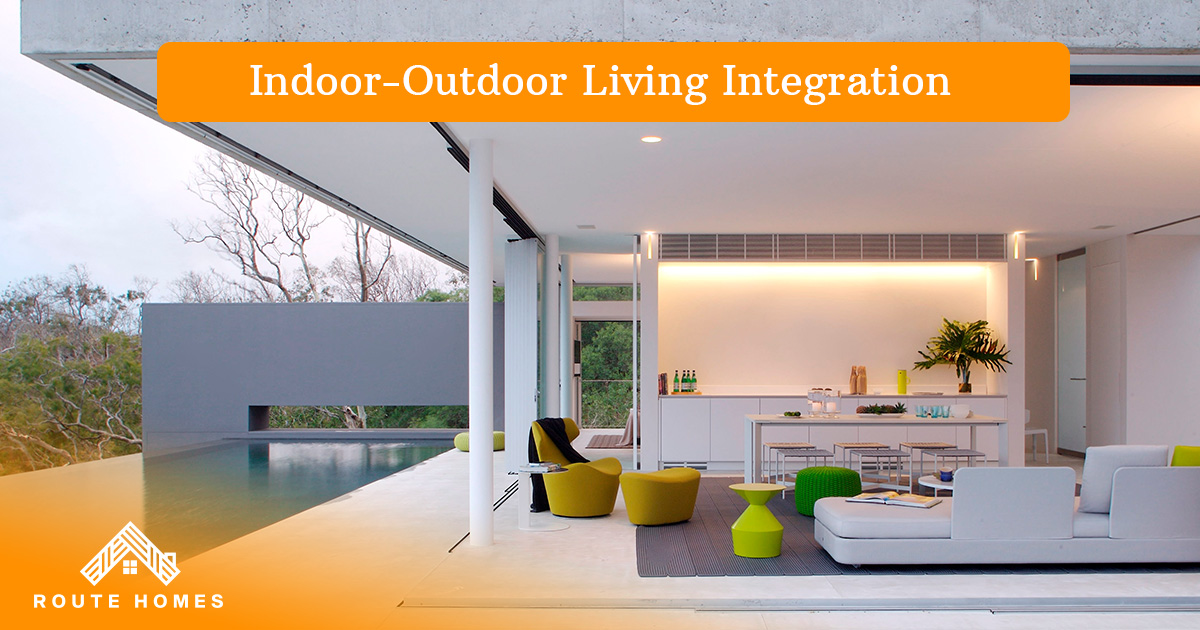
In 2026, Modern Custom Home Design Trends for Toronto emphasizes the seamless integration of indoor and outdoor spaces. Homeowners are looking to extend their living areas into the outdoors, creating functional spaces like outdoor kitchens, lounge areas, and dining spaces. Retractable glass walls and sliding doors allow for a smooth transition between the inside of the home and outdoor patios or gardens.
Outdoor spaces are often designed with the same attention to detail as indoor areas, featuring comfortable furniture, fireplaces, and even smart technology to control lighting and heating. In Toronto’s custom homes, outdoor living is not limited to summer months—designers are incorporating features like heated floors and retractable roofs to make these spaces usable year-round.
Multi-Functional Rooms
As more people embrace remote work and hybrid lifestyles, the demand for multi-functional spaces is growing. Modern Custom Home Design Trends for Toronto reflect this shift with rooms that serve multiple purposes. Home offices are being designed with flexibility in mind, allowing them to double as guest rooms or creative studios. Similarly, basements and attics are being transformed into gyms, home theaters, or entertainment spaces.
This trend is all about maximizing the utility of every square foot in the home. Modular furniture, movable walls, and adaptable lighting solutions are being used to create spaces that can easily transition from one function to another, catering to the diverse needs of modern families.
High-End Kitchens with a Focus on Functionality
Kitchens are often the heart of the home, and in 2026, they are designed to be both beautiful and highly functional. Modern Custom Home Design Trends for Toronto place a strong emphasis on high-end appliances, custom cabinetry, and luxurious finishes. But beyond aesthetics, kitchens are being designed with functionality in mind, featuring smart appliances that streamline cooking and cleaning tasks.
Large islands with seating, ample storage space, and walk-in pantries are becoming must-have features in modern kitchens. Homeowners are also opting for hidden appliances and minimalist designs that keep the space looking sleek and organized. The kitchen, in many cases, extends into the dining and living areas, creating a cohesive open-concept space perfect for entertaining.
Spa-like bathrooms and Wellness Spaces
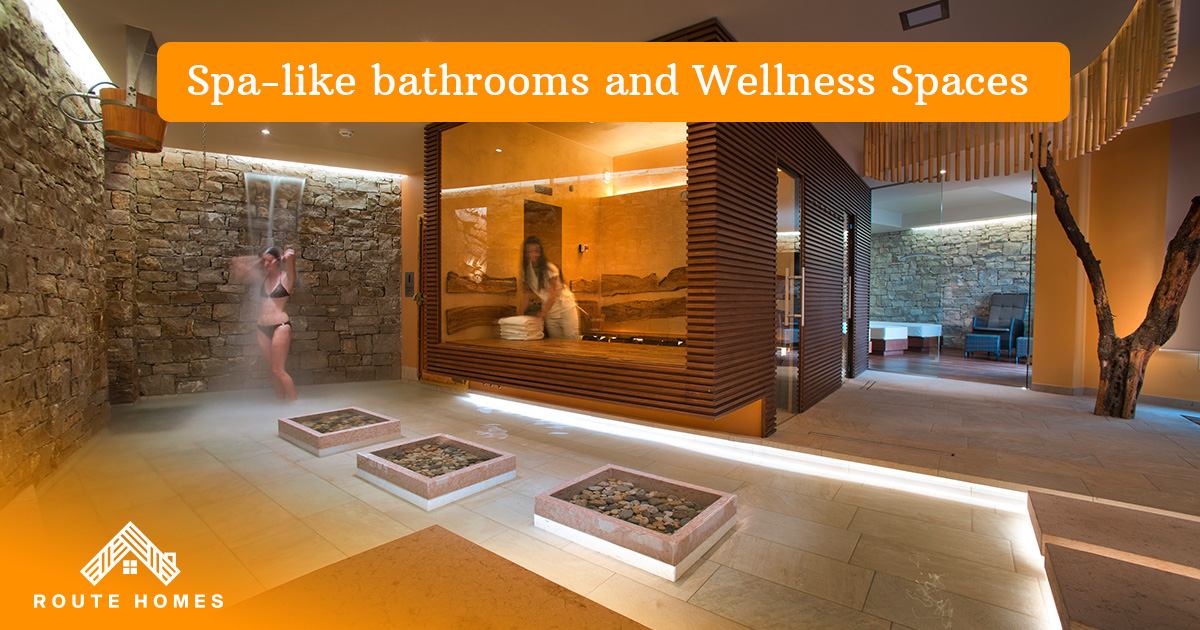
Bathrooms in Modern Custom Home Design Trends for Toronto are no longer just utilitarian spaces—they are designed to be luxurious, spa-like retreats. Freestanding bathtubs, rainfall showers, and natural stone finishes create an ambiance of relaxation and indulgence. Heated floors, towel warmers, and integrated sound systems add to the overall experience, turning daily routines into moments of relaxation.
Wellness spaces are also becoming more common in custom homes, with homeowners requesting dedicated areas for meditation, yoga, or exercise. These spaces are often designed with large windows, natural materials, and calming color palettes to promote a sense of tranquility and well-being.
Modern custom home design in Toronto continues to evolve with a stronger focus on innovation, sustainability, and personalized living. Homeowners are seeking spaces that not only reflect their style and daily needs, but also improve comfort, efficiency, and overall quality of life. From smart technology and energy-conscious design to wellness features and natural materials, today’s custom homes are being built with both beauty and performance in mind.
FAQs
What design trends are shaping custom homes in Toronto right now?
Custom homes in Toronto are being shaped by trends such as warm natural materials, smart home integration, energy-efficient design, wellness-focused spaces, biophilic elements, and more personalized interiors. Homeowners are looking for homes that feel modern, functional, and tailored to their lifestyle.
Why are sustainability and smart technology important in modern custom homes?
Sustainability and smart technology help improve comfort, efficiency, and long-term value. Energy-conscious materials, high-performance systems, and integrated smart controls allow homeowners to reduce energy use, improve daily convenience, and create a home that is better suited for modern living.
Custom homes in Toronto are being shaped by trends such as warm natural materials, smart home integration, energy-efficient design, wellness-focused spaces, biophilic elements, and more personalized interiors. Homeowners are looking for homes that feel modern, functional, and tailored to their lifestyle.
Sustainability and smart technology help improve comfort, efficiency, and long-term value. Energy-conscious materials, high-performance systems, and integrated smart controls allow homeowners to reduce energy use, improve daily convenience, and create a home that is better suited for modern living.


