
Quick answer: Often, yes. Most Toronto homeowners can stay at home during a bathroom, basement or kitchen renovation if they plan for dust, noise and a few days without water or power. It’s usually better to move out for a whole-home gut renovation, a second-storey addition, major structural work, or any job that disturbs asbestos or lead paint. The deciding factors are: do you still have a working bathroom and kitchen, can the work area be sealed off, and how long will the job take?
When we plan a home renovation in Toronto, deciding whether you will stay or move out is one of the first things we work through with you.
Key takeaways
- Usually fine to stay: one-bathroom renovations (if you have a second bathroom), basement finishing, and kitchen renovations with a temporary kitchen set up.
- Usually better to move out: whole-house gut renovations, second-storey additions, and projects that shut off heat, water or power for days at a time.
- The real daily challenges are dust, noise from 7 a.m., losing your kitchen, and strangers in your home. Good dust barriers and a clear schedule make the biggest difference.
- Health comes first. Pregnant people, babies, people with asthma, and older Toronto homes with asbestos or lead paint all change the answer.
- Moving out costs money too. Furnished rentals in Toronto typically run several thousand dollars a month, so compare that with a longer, phased renovation you live through.
Which renovations can you live through?
Here’s how the most common Toronto renovation projects usually work out:
| Project | Typical length | Can you stay? | Why |
|---|---|---|---|
| Bathroom renovation | 3 – 5 weeks | ✅ Yes, if you have another bathroom | Contained to one room; water shutoffs are short |
| Basement finishing / basement suite | 6 – 12 weeks | ✅ Yes, usually the easiest | Separate floor; noise and dust stay mostly downstairs |
| Kitchen renovation | 6 – 10 weeks | ⚠️ Yes, with a temporary kitchen | Weeks without a sink, stove or counters; the most dust on your main floor |
| Condo renovation | 4 – 12 weeks | ⚠️ Depends on the scope | Small spaces have nowhere to escape dust; condo work hours are strict |
| Ground-floor addition | 4 – 6 months | ⚠️ Often yes, until the tie-in | Most work happens outside until the new space is opened into the house |
| Second-storey addition | 5 – 8 months | ❌ Usually move out | The roof comes off; weather exposure and heavy structural work |
| Whole-home gut renovation | 4 – 9 months | ❌ Move out | No working kitchen, bathroom or heat for long stretches; heavy dust |
These are typical ranges. Your project’s timeline depends on permits, design decisions, material lead times and what’s found once walls are opened.
5 questions to decide whether to stay or go
- Will you have a working bathroom every night? If your only bathroom is being renovated, plan to move out for at least part of the job, or ask whether a temporary toilet and shower can be kept running.
- Can you cook somewhere? A temporary kitchen with a fridge, microwave, kettle and a sink nearby makes a kitchen renovation livable. With no sink at all, it gets hard fast.
- Can the work area be sealed off? If the crew can work behind plastic barriers and use a separate entrance, staying is much easier. Open-concept homes and small condos are harder to seal.
- Who lives in the house? Newborns, pregnant people, anyone with asthma or allergies, people who work from home, and pets that stress easily are all reasons to lean toward leaving.
- How old is the house? Many Toronto homes built before the 1990s may contain asbestos in plaster, insulation or flooring, and homes built before about 1960 often have lead paint. If those materials will be disturbed, you shouldn’t be living in the house during that phase.
What it’s really like living in a renovation
Dust
Drywall, plaster and concrete dust is the number-one complaint. Fine dust travels through the house, settles on everything, and gets pulled through your HVAC system. A good contractor controls it with:
- Floor-to-ceiling plastic barriers with zipper doors around the work area
- Sealed or covered HVAC vents and return-air grilles in the work zone
- A HEPA air scrubber or negative-air machine that pushes dust outside
- Floor protection along the path from the door to the work area
- Daily cleanup with a HEPA vacuum, not just a broom
Tip: change your furnace filter more often during the renovation and once more after it’s done.

Noise and work hours
Demolition, saws and nail guns are loud, and crews often start early. In Toronto, the City’s noise bylaw generally allows construction noise from 7 a.m. to 7 p.m. on weekdays and 9 a.m. to 7 p.m. on Saturdays, with no noisy construction on Sundays and statutory holidays. Condo buildings often set even stricter hours. If you work from home, ask your contractor which days will be the loudest (usually demolition and framing) and plan to work elsewhere then.
Shutoffs: water, power and heat
Expect short planned shutoffs while plumbers and electricians tie in new work. A well-run job schedules these in advance, keeps them to a few hours, and never leaves you without heat in winter overnight. Ask for a schedule of shutoffs at the start of the project.
Privacy and security
Trades will be coming and going from early morning. Agree on which doors they use, which rooms are off-limits, where they park, and how the house is locked at the end of each day. Put away valuables and anything fragile near the work area.
How to live through a kitchen renovation
A kitchen renovation is the project people most often try to live through. A kitchen renovation in Toronto usually leaves you without a kitchen for 4 to 8 weeks, so set up a temporary one before demolition starts:
- Pick a spot near water: a laundry room, basement bar or a bathroom with a sink.
- Move the essentials: fridge, microwave, kettle, coffee maker, toaster oven or air fryer, and an induction hot plate.
- Pack a small kit: a few plates, cutlery, one pot and pan, dish soap and a drying rack. Paper plates help on the worst weeks.
- Plan simple meals: batch-cook and freeze meals before the renovation starts, and budget for more takeout.
- Use the barbecue: in spring, summer and fall, the barbecue becomes your stove.
Living through a bathroom or basement renovation
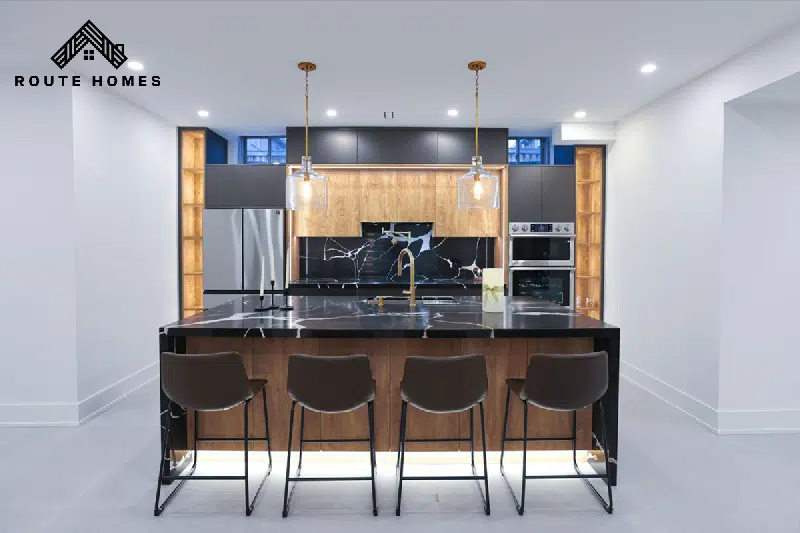
Bathrooms: if you have a second bathroom, most families barely notice beyond the noise. If it’s your only bathroom, ask about phasing: some contractors can keep the toilet working for most of the job, or install a temporary one. A gym membership with showers can cover the weeks without a tub.
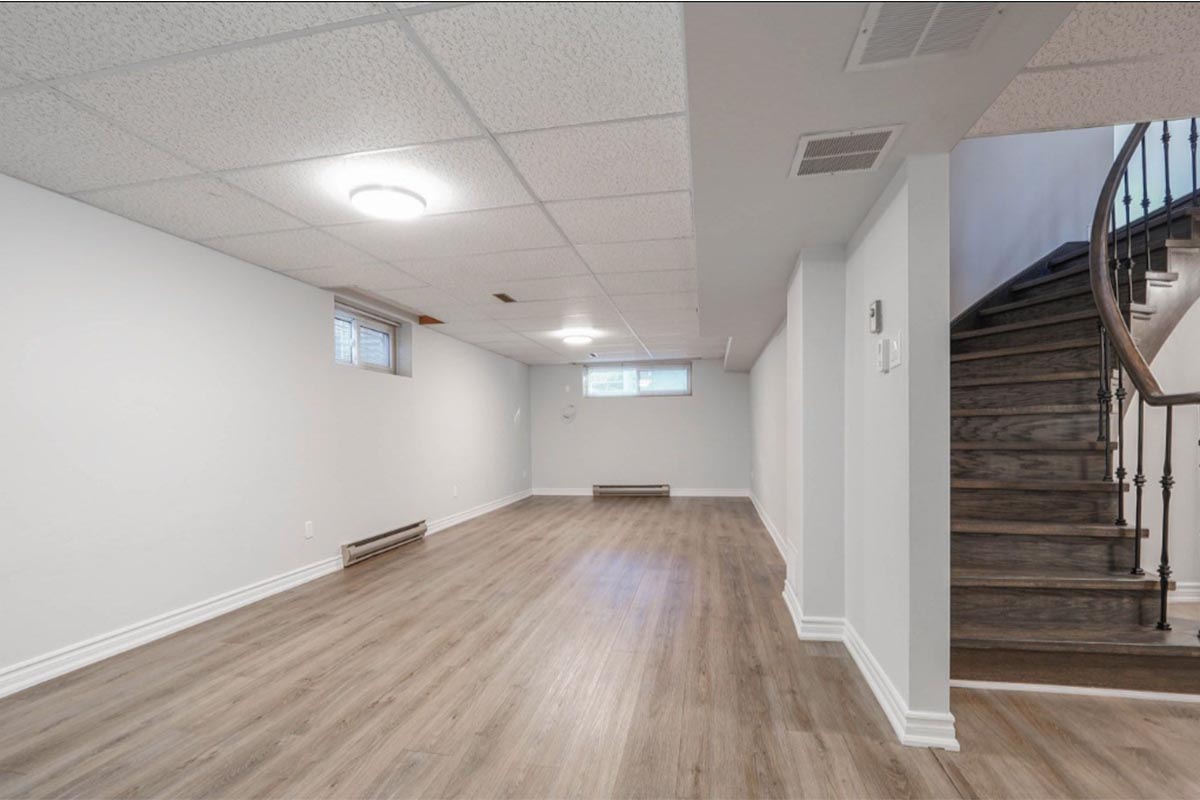
Basements: these are the easiest renovations to live through, because the work is on a separate floor and often has its own entrance. The main disruptions are noise, the occasional shutoff, and dust if the basement stairs are open to the main floor. Ask your contractor to seal the stairway with a plastic barrier and a zipper door.
When you should move out
Plan to move out, at least for part of the project, if any of these apply:
- A whole-home gut renovation where kitchen, bathrooms and flooring are all being replaced
- A second-storey addition or any work where the roof is opened up
- Major structural work, such as underpinning, removing load-bearing walls on several floors, or foundation repairs
- Asbestos or lead paint removal, which must be done safely by trained workers and is not something to live beside
- No heat in winter, for example during a furnace or full HVAC replacement in a cold month
- Health concerns in your household, such as pregnancy, a newborn, or asthma

The cost of moving out vs staying
Moving out isn’t free. In Toronto, a furnished short-term rental often costs several thousand dollars a month, and hotels and short-stay apartments cost more. Add storage, moving and the extra commute. On the other hand, staying can make the renovation take longer, because crews have to protect and clean lived-in spaces every day and phase the work around your family.
| Stay at home | Move out | |
|---|---|---|
| Housing cost | None | Rent, storage and moving costs |
| Renovation length | Often longer (phasing, daily cleanup) | Often shorter: the crew can work freely |
| Comfort | Dust, noise, limited kitchen and bathroom | Normal daily life elsewhere |
| Oversight | You see progress every day | Site visits and photo updates |
| Best for | Bathrooms, basements, kitchens | Gut renovations, second storeys, structural work |
Middle ground: many families stay for most of the project and move out for just the worst 1 to 3 weeks, typically demolition, floor refinishing (the fumes and drying time) or the days with no water.
Practical tips if you decide to stay
- Agree on a schedule for work hours, loud days and shutoffs before the job starts.
- Create a “clean zone”: one or two rooms, ideally bedrooms, that stay sealed off from dust.
- Move furniture and valuables out of the work area and nearby rooms.
- Protect kids and pets: keep them out of the work zone at all times, and consider daycare or a pet sitter on demolition days.
- Tell your home insurer about a major renovation, and ask your contractor for proof of liability insurance and WSIB coverage.
- Talk to your neighbours before the work starts, especially in semis and townhouses with shared walls.
- Keep one point of contact: a project manager who tells you what’s happening each week makes living through it far less stressful.
For more planning advice, read our 10 tips for a successful home renovation in Toronto.
Frequently asked questions
Can you live in your house during a renovation?
Yes, for many projects. Most people can stay at home during a bathroom, basement or kitchen renovation if the work area is sealed off and they still have a working bathroom. For whole-home gut renovations, second-storey additions and major structural work, moving out is usually safer and faster.
Can I live in my house during a kitchen renovation?
Yes. Most families stay during a kitchen renovation by setting up a temporary kitchen with a fridge, microwave and hot plate near a sink. Expect 4 to 8 weeks without a full kitchen, plus dust on the main floor.
Is it safe to live in a house during renovation?
It can be, if dust is controlled, the work area is closed off, and hazardous materials like asbestos or lead paint are not being disturbed while you’re there. Babies, pregnant people and anyone with asthma should avoid the dustiest phases.
How long can you go without a kitchen during a renovation?
A typical Toronto kitchen renovation leaves you without a working kitchen for about 4 to 8 weeks, depending on the scope, permits and how long cabinets and countertops take to arrive.
Should I move out during a whole-house renovation?
Usually, yes. A whole-house gut renovation often means weeks or months without a kitchen, bathroom or heat, plus heavy dust. Moving out also lets the crew work faster, which can shorten the project.
What hours can contractors work in Toronto?
Toronto’s noise bylaw generally allows construction noise from 7 a.m. to 7 p.m. on weekdays and 9 a.m. to 7 p.m. on Saturdays, with no noisy construction on Sundays or statutory holidays. Condo buildings may set stricter hours.
Planning a renovation in Toronto?
Route Homes has been a design-build renovation company in Toronto and the GTA since 2006. Before a project starts, we plan with you whether to stay or move out, which phases are the most disruptive, and how we’ll keep dust and noise under control. One team handles design, permits and construction. Call 416-834-2444 or book a site visit to talk through your project.
Timelines and costs are typical Toronto and GTA ranges as of 2026 and vary by project. Check the City of Toronto’s noise bylaw and your condo’s rules for the exact work hours that apply to you.


