
Building a custom home is an exciting journey that allows you to create a space tailored specifically to your preferences and needs. For many, this process represents a dream come true, from the design of the house to the selection of materials and finishes. However, while rewarding, it can also be overwhelming without a clear roadmap. If you’re planning to build a custom home in Toronto, this comprehensive guide will walk you through each step of the process, ensuring that you make informed decisions and successfully create the home of your dreams.
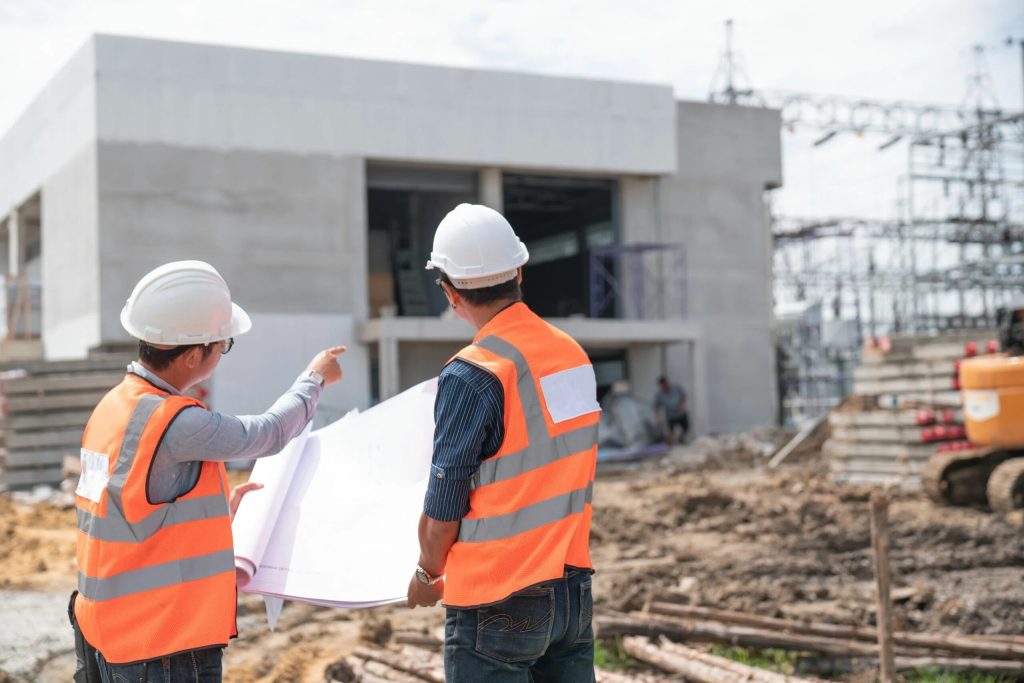
Step 1: Clarify Your Vision and Needs
The first step in building a custom home is to clearly define what you want and need in your new space. Take some time to think about your lifestyle and how your home can accommodate it both now and in the future.
- Lifestyle and family needs: Consider how many bedrooms you need, whether you require a home office, or if you need more storage space. Also, think about future needs, will your family grow? Will you need to make space for aging relatives or guests?
- Functionality and flow: Think about how you want the rooms to flow together. Open plan living spaces are popular, but do you want to have more private, distinct areas?
- Outdoor space: In Toronto, where real estate can be tight, having outdoor space may be important. Consider your needs for a garden, backyard, or rooftop terrace.
Once you have a clear vision of your needs, prioritize your must haves over the wish list. It’s also essential to set a realistic budget based on your priorities. Having a well defined vision will guide every decision throughout the building process.
Step 2: Choose the Right Custom Home Builder
One of the most crucial decisions you’ll make is choosing the right custom home builder. The builder you select will be responsible for bringing your vision to life, so it’s vital to choose someone with the right experience, skills, and reputation.
- Experience: Look for a builder who specializes in custom homes in Toronto. Ideally, they should have experience with projects similar to yours in terms of size, style, and complexity.
- Reputation: Do some research and read customer reviews. A reputable builder should have a portfolio of successfully completed custom homes.
- Licensing and insurance: Ensure your builder is properly licensed and carries adequate insurance to protect you during the building process. In Toronto, it’s crucial that your builder complies with all local building codes and regulations.
- Communication: Your builder should be someone you can communicate with easily. They should be responsive to your questions and transparent about their process, timeline, and costs.
A great custom home builder will help guide you through the process and advise you on best practices, offering solutions to potential challenges before they arise.
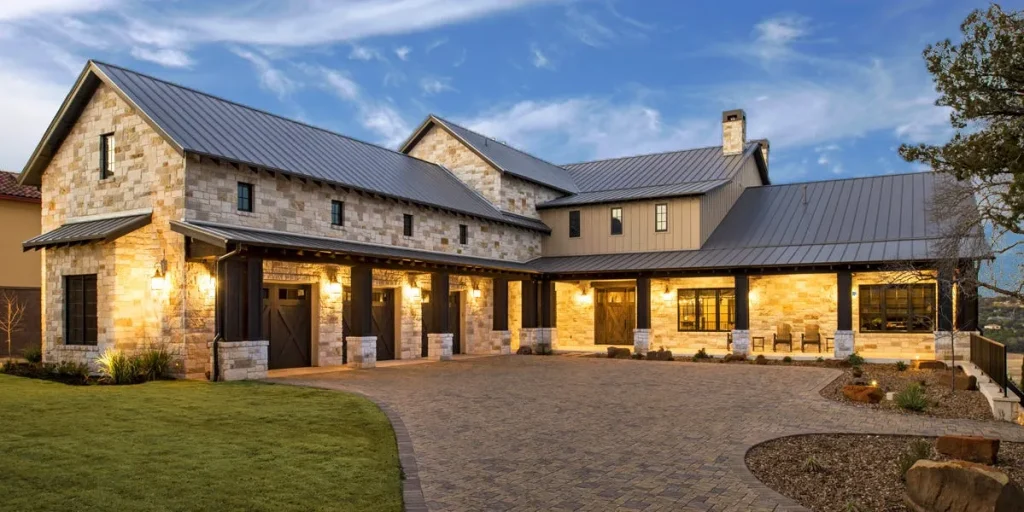
Step 3: Collaborate on Design and Planning
Now that you have your vision and builder in place, it’s time to bring that vision to life. Working with an architect or designer is crucial to ensure that your home is both functional and aesthetically pleasing.
- Design meetings: Collaborate with your builder and architect to finalize the floor plan, layout, and design elements. Take into consideration the flow of the space, natural light, and how the design will meet your current and future needs.
- Choosing materials: Work with your builder to select materials that align with your design vision and budget. In Toronto, you have access to a wide variety of high quality materials, from modern finishes to eco friendly options.
- Building codes and permits: Your architect and builder will ensure that your design complies with local building codes and zoning laws. In Toronto, this is especially important as the city has strict regulations regarding construction.
This stage also includes developing detailed plans for electrical, plumbing, and mechanical systems. A well thought out design will not only meet your needs but also maximize your home’s value and functionality.
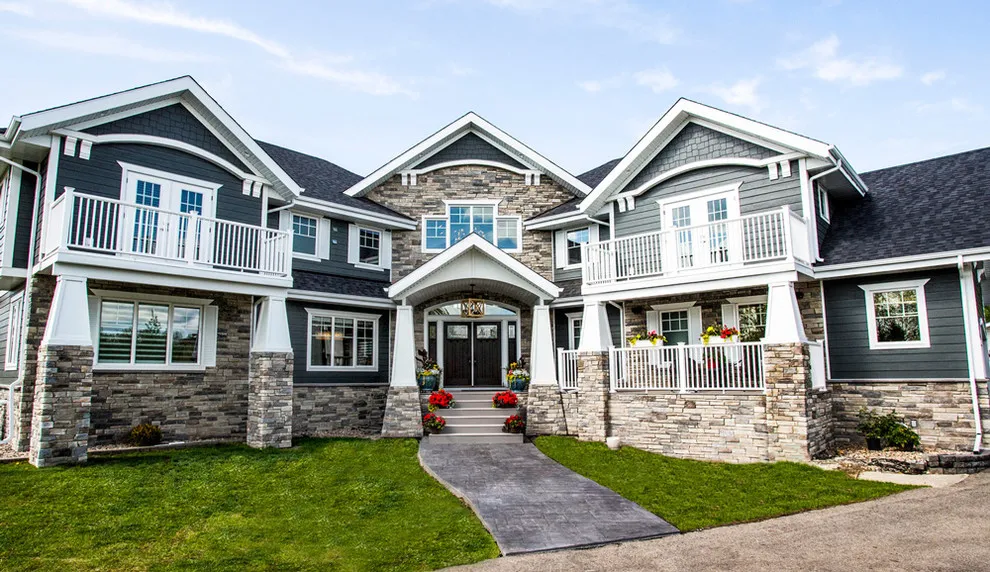
Step 4: Secure Financing and Permits
Once the design is finalized, it’s time to secure financing and obtain the necessary permits. This is often one of the most time consuming steps in the custom home building process, but it’s essential to get everything in order before breaking ground.
- Financing your custom home: Work with a financial advisor or mortgage broker to determine your financing options. Many banks offer specialized construction loans for custom homes. Keep in mind that these loans may have different terms than traditional home mortgages.
- Permits and approvals: In Toronto, you will need several permits to start construction. These include building permits, zoning permits, and inspections throughout the building process. Make sure all paperwork is in order before beginning the construction phase.
It’s important to work closely with your builder and legal advisors to ensure that all the necessary custom home permits are obtained and that you’re compliant with the city’s regulations.
Step 5: Begin Construction
Once the permits are secured and financing is in place, construction can begin. This phase is when your custom home starts to take shape.
- Site preparation: Your builder will begin by clearing the site, laying the foundation, and ensuring that all the groundwork is prepared for the framing stage.
- Framing and structure: This includes constructing the skeleton of your home, walls, floors, and roof. At this point, you’ll begin to see your home’s layout and design come to life.
- Mechanical systems: After the framing, the electrical, plumbing, and HVAC systems are installed. This is the stage where the essential components of the home are integrated.
- Finishing touches: As the construction nears completion, your builder will focus on the interior finishes, including drywall, flooring, cabinetry, and fixtures.
Throughout this phase, regular check ins with your builder will help ensure that everything is progressing according to plan and that any issues are addressed quickly.
Step 6: Final Walk Through and Quality Inspection
Before officially moving into your new custom home, you’ll conduct a final walk through with your builder. This is your chance to inspect the home and ensure that everything has been completed to your satisfaction.
- Punch list: Make a list of any outstanding items or imperfections that need to be addressed before you move in. Your builder should rectify these issues before the final handover.
- Quality check: Ensure that all construction meets the standards you agreed upon during the design phase. This includes checking for proper installation of fixtures, finishes, and systems.
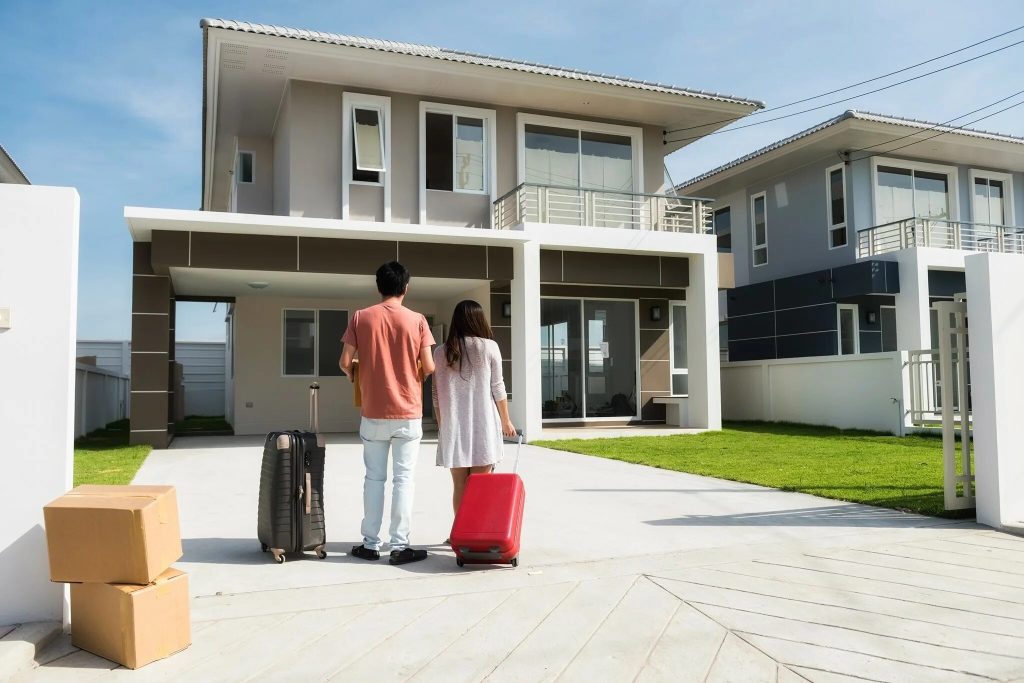
Step 7: Move In and Post Construction Care
Once the final inspection is complete, it’s time to move into your new home. This is the moment when all your hard work and planning come to fruition.
- Post construction care: Even after you move in, some issues may arise. Your builder should provide a warranty for the work completed, so if any problems appear in the first year or two, they can be addressed.
- Ongoing maintenance: Regular maintenance will help keep your custom home in top condition for years to come. Consider setting up a schedule for things like HVAC system checks, roof inspections, and exterior cleaning.
Building a custom home in Toronto is a significant but rewarding undertaking. By following this step-by-step guide, you’ll be equipped to make informed decisions, choose the right professionals, and manage the construction process from start to finish. Whether you’re building a small family home or a luxurious estate, with the right planning and collaboration, your custom home will be a reflection of your unique vision and needs.
How long does it take to build a custom home in Toronto?
The typical timeline for building a custom home in Toronto is between 12 to 18 months, depending on the complexity of the design, permits, and the availability of materials. Keep in mind that delays can happen due to weather or unforeseen issues.
How much does it cost to build a custom home in Toronto?
Costs can vary widely depending on the size, design, and materials chosen for the home. On average, the cost of building a custom home in Toronto ranges from $200 to $500 per square foot. Be sure to work with your builder to establish a budget and plan for unexpected expenses.
What are the most important things to consider when building a custom home?
Key considerations include location, budget, design, materials, and working with a reputable builder. It’s also crucial to think about long-term needs and how your home can evolve with you over time.
Can I make changes during the construction process?
Yes, but changes can be costly and may delay the project. It’s best to finalize the design as much as possible before construction begins to avoid unexpected costs.


