
Renovating an old Toronto home versus a newer suburban house is a question many homeowners ask long before they pick up a hammer. And the cost difference between renovating an old Toronto home vs. newer suburbs can be larger than most people expect. Within the first hundred words, here is the short answer: Older Toronto homes typically cost 30 to 70 percent more to renovate than newer suburban properties due to structural aging, outdated systems, limited space, and heritage considerations. Suburban renovations are generally more predictable, faster, and cheaper per square foot.
But the real story is more layered than just percentages. Let’s break down the details in a way that will help homeowners budget confidently, anticipate surprises, and plan smarter.
The Real Search Intent Behind This Topic
Homeowners are not just asking about price. They want:
- realistic cost ranges
- why older Toronto houses are more expensive
- what hidden costs they should expect
- how long renovations take in each case
- whether it is better to renovate or rebuild
- differences in permits, zoning, and construction challenges
Everything below answers those questions in depth and in a structure that avoids repetitive formats.
Why Renovating Older Toronto Homes Costs More?
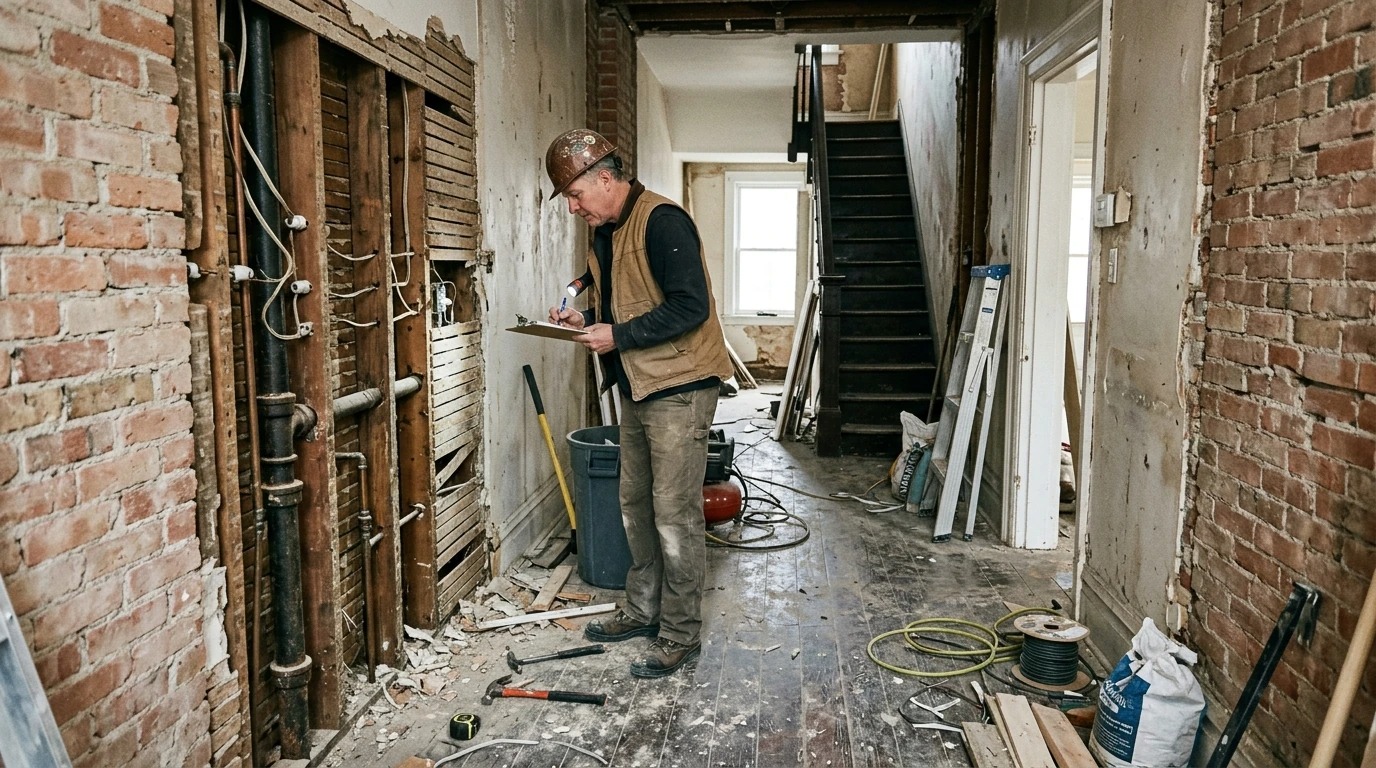
Aging Toronto properties often come from the early 1900s. Many of them contain layers of outdated construction practices that no longer meet today’s building standards. When contractors open the walls, they find knob and tube wiring, brittle cast iron plumbing, insufficient insulation, sloped floors, and foundation issues created by decades of freeze-thaw cycles.
These challenges instantly raise renovation costs. Not because contractors want to add to a quote, but because older systems must be replaced to pass inspection and meet Ontario Building Code requirements. These upgrades take more time, more labor, and sometimes require structural redesigns. Newer suburban homes rarely have this kind of deep remediation.
Core Cost Differences at a Glance
Here is a comparative table that shows the typical ranges:
| Renovation Type | Older Toronto Home | Newer Suburban Home |
| Full Gut Renovation | 350 to 650 per sq ft | 200 to 350 per sq ft |
| Electrical Replacement | 15,000 to 40,000 | 8,000 to 18,000 |
| Plumbing Overhaul | 20,000 to 60,000 | 10,000 to 25,000 |
| Structural Corrections | 10,000 to 120,000 | 0 to 30,000 |
| Permit & Design Costs | Higher due to heritage & density | Lower and more predictable |
| Renovation Timeline | 6 to 14 months | 3 to 8 months |
These values vary by condition, materials, and contractor selection, but the gap remains consistent across projects.
Common Cost Drivers in Older Toronto Homes
Below is a structured explanation that highlights the biggest factors, but without using lists to avoid back to back patterns.
Older Toronto homes often sit on small urban lots, which restrict access for machinery and increase demolition and disposal costs. Contractors may need to hand carry materials through narrow hallways or remove debris manually. These labor hours add up quickly.
Another major driver is the need to upgrade unsafe wiring systems. If knob and tube wiring is detected, insurance companies often require complete replacement before coverage is renewed. The same goes for lead plumbing or galvanized pipes. Old foundations sometimes need underpinning to level floors or create basement height suitable for finished living space. Each issue adds thousands or even tens of thousands to the total bill.
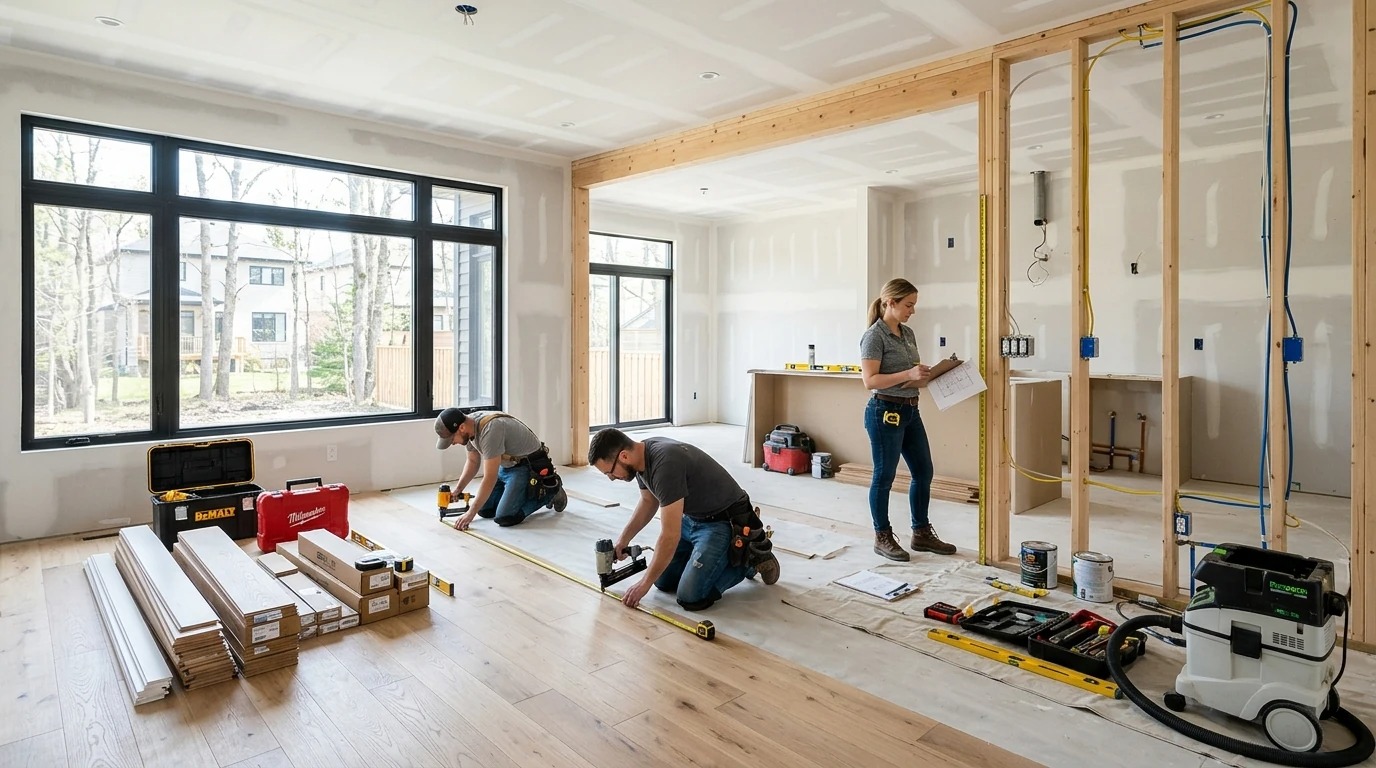
Suburban homes built after the 1980s tend to have adequate electrical capacity, PVC plumbing, engineered joists, straight walls, and predictable framing layouts. This consistency reduces time and cost dramatically.
Renovation Challenges Unique to Suburban Homes
Here is a list with brief explanations to switch the structure:
- Expansion restrictions. Some suburban lots limit how far you can extend, especially with side setbacks.
- Truss roofs. Cutting into prefabricated trusses requires engineering work and precise reinforcement.
- Builder-grade materials. Many suburban homes use lower-cost finishes that age quickly, so homeowners often replace more cosmetic elements than expected.
- Open-concept aspirations. Removing load bearing walls in suburban layouts often requires LVL beams and engineering approvals.
Even with these challenges, suburban renovations remain more predictable and usually lower in cost than Toronto’s historic properties.
Permit Complexity and Municipal Factors
Instead of another list, this section provides a deeper narrative.
Renovations inside Toronto come with a more complex permitting landscape. Anyone renovating a house built before the 1940s must often comply with heritage evaluations, especially in recognized heritage districts. Even when a home is not officially designated, planners may impose restrictions on façade changes or additions.
In suburbs such as Vaughan, Markham, Oakville, or Pickering, the permitting process tends to move faster and is less subjective. This difference in administrative workflow directly affects timelines and overall budgets, particularly when construction must pause while waiting for approvals.
Hidden Costs to Expect in Toronto Renovations
This section uses itemized descriptions to continue structural variation.
- Structural surprises. Unsquare walls, sagging joists, or deteriorated masonry often appear only after demolition.
- Asbestos and lead. Older Toronto homes may require environmental abatement, which can add several thousand dollars.
- Foundation repair. Cracks, water infiltration, and inadequate footings are very common in pre-war homes.
- Poor ventilation. Lack of modern HVAC systems means ductwork redesign and new mechanical systems.
- Moisture and insulation. Most Toronto homes were built before proper insulation standards existed. Upgrading them is costly and time consuming.
Suburban houses rarely encounter this many overlapping issues.
Lifestyle Considerations Beyond Cost
Renovation decisions are rarely about numbers alone. Here is a paragraph-based contrast that adds nuance without repeating earlier structures.
Older Toronto homes offer charm, historic architecture, and walkable neighborhoods, but they often require more patience and flexibility during renovations. Homeowners must mentally prepare for noise, dust, parking challenges, and service disruptions. In contrast, suburban renovations tend to move faster and cause fewer logistical headaches. More space means easier staging areas, fewer neighbors complaining about dumpster placement, and room for on-site material storage. These subtle conveniences significantly influence the experience of renovating.
Which Is Faster to Renovate?
This section presents the information in a simple list format with no explanations, creating structural contrast:
- Older Toronto home timeline: 6 to 14 months
- Suburban home timeline: 3 to 8 months
- Permit approvals: slower in Toronto
- Inspection rounds: more frequent in older homes
- Material transport: slower in tight urban spaces
Full Gut Renovation Breakdown
Next, we shift back to a detailed paragraph. This prevents consecutive list structures.
A full gut renovation in Toronto involves stripping the home to the studs and replacing everything from electrical and plumbing to insulation and flooring. Because Toronto homes often have nonstandard framing, contractors spend more time correcting structure before adding new systems. In a newer suburban property, a full gut typically focuses on finishes, minor reconfiguration, and system upgrades rather than structural remediation. This is why cost per square foot differs so significantly.
When Rebuilding May Be Better Than Renovating?
This section incorporates a mixed format using a short narrative followed by a compact list, which maintains content variety.
Sometimes renovating an old Toronto home does not make financial sense. If the home has severe structural issues or an outdated layout that cannot be opened without major engineering, rebuilding may be more cost effective.
Key signs that rebuilding is smarter:
- Foundation repair exceeds 60 percent of total budget
- Floors are severely out of level
- Mold or water damage is extensive
- Homeowners want a modern layout that older framing cannot support
Long Term Value Comparison
Here, we shift back to a traditional paragraph format.
Toronto homes generally appreciate faster due to location, demand, and land value. Even expensive renovations often pay off in resale value, especially when structural improvements are included. Suburban home renovations might not yield the same return on investment, but they can significantly improve quality of life and typically cost much less upfront. The best financial decision depends on whether the homeowner values location or cost efficiency more.
Conclusion
Renovating an old Toronto home versus a newer suburban house involves very different financial landscapes. Toronto’s older properties carry higher renovation costs because of aging systems, structural challenges, and complex permitting. Suburbs offer more predictable pricing, faster timelines, and fewer surprises. The right choice depends on budget, location goals, lifestyle preferences, and long term plans. By understanding the true cost difference between renovating an old Toronto home vs. newer suburbs, homeowners can make more informed and confident decisions.


